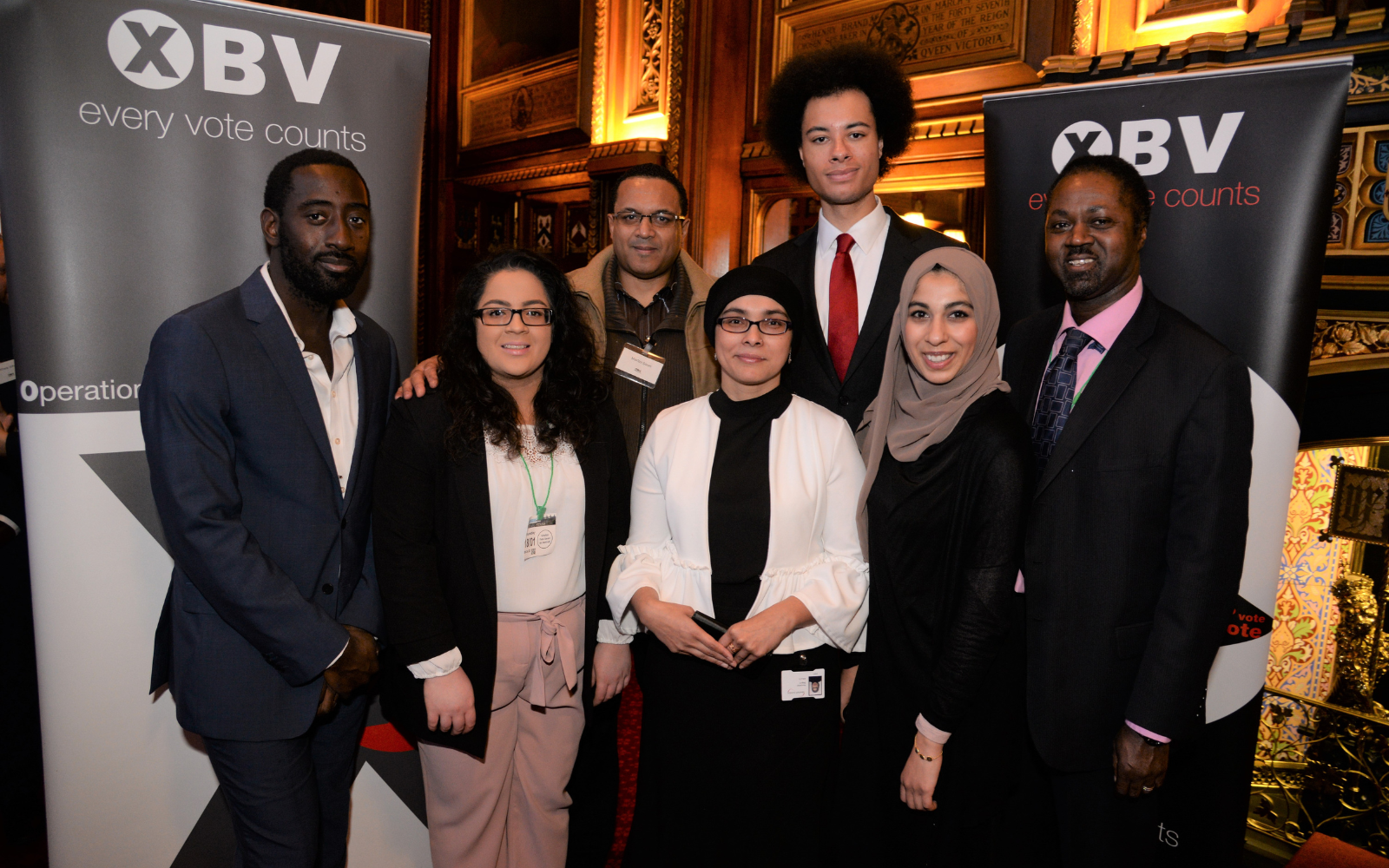

On 16th July 2026, Operation Black Vote marks thirty years since its public launch- marking outstanding work in the service of Black democratic power. This is a moment of pride, but not complacency. Anniversaries can become soft-focus rituals, where institutions congratulate themselves, polish the trophies and forget the struggle that made them necessary.
OBV was not born for ceremony. It was born because Britain’s democracy had a hole in its heart, and Black communities were being asked to live with the consequences.
The public launch of Operation Black Vote on 16th July 1996 was the culmination of work that had already been gathering momentum through the vision, determination and leadership of its founder organisation the 1990 Trust through discussions with Charter 88, alongside campaigners and allies who shared a commitment to strengthening Britain's democracy through greater political participation and representation.
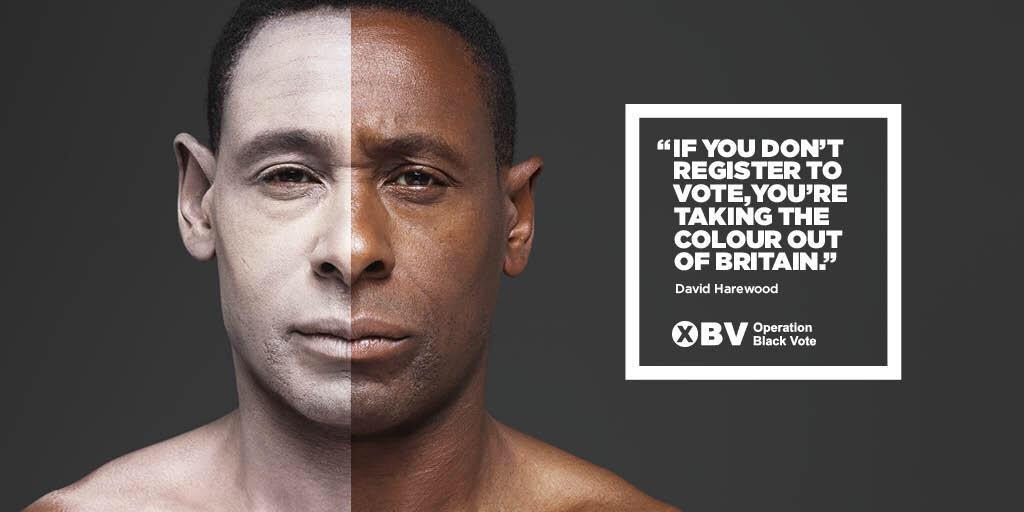
OBV’s founding mission was both simple and radical: to turn democratic exclusion into democratic agency.
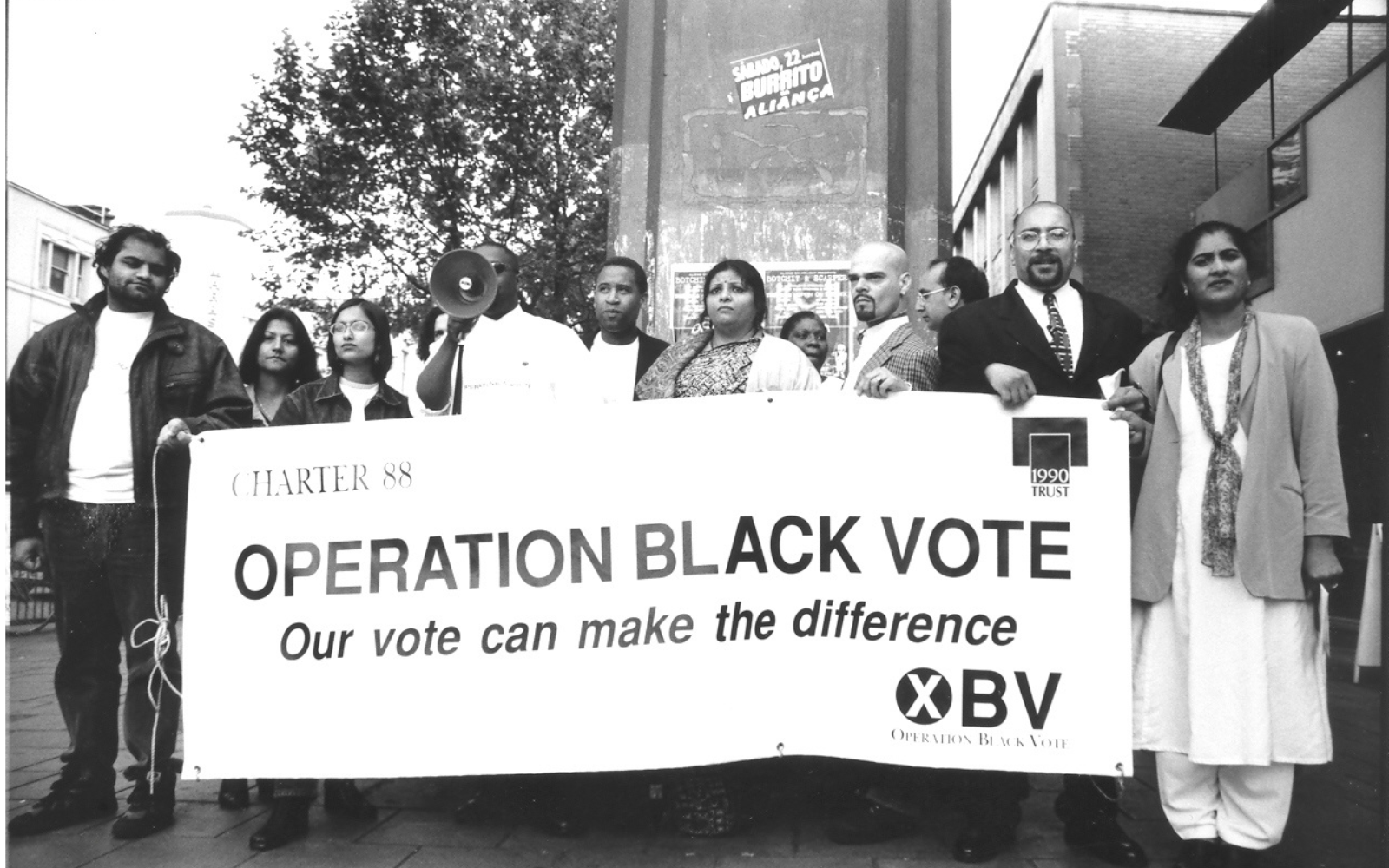
It asked Black communities to register, vote, stand, lead and claim their rightful place in public life. It also asked Britain a harder question: what sort of democracy claims legitimacy whilst whole communities remain marginal to its institutions?
The change over these thirty years has been remarkable. The House of Commons Library records that no MPs from minority ethnic groups were elected between 1929 and 1987, and that four were elected in 1987: Diane Abbott, Paul Boateng, Bernie Grant and Keith Vaz. Following the 2024 general election, it was estimated that 90 MPs, 14 per cent of the House of Commons, were from minority ethnic backgrounds. OBV does not claim sole authorship of that transformation. History is never built by one organisation alone.
But OBV can rightly claim to have been one of the central engines of that change. Through voter registration campaigns, shadowing schemes, mentoring, leadership development, political education, public appointments advocacy and national campaigns, OBV helped to change who could imagine themselves as a political actor. It helped young people, community activists, professionals and civic leaders see Parliament, councils, magistracy, public bodies and party structures not as distant castles, but as places where they had a right to enter, challenge and lead.
This work mattered because representation changes the weather of democracy. It tells a child that power is not naturally white, male or inherited. It tells communities that public life is not somebody else’s business.
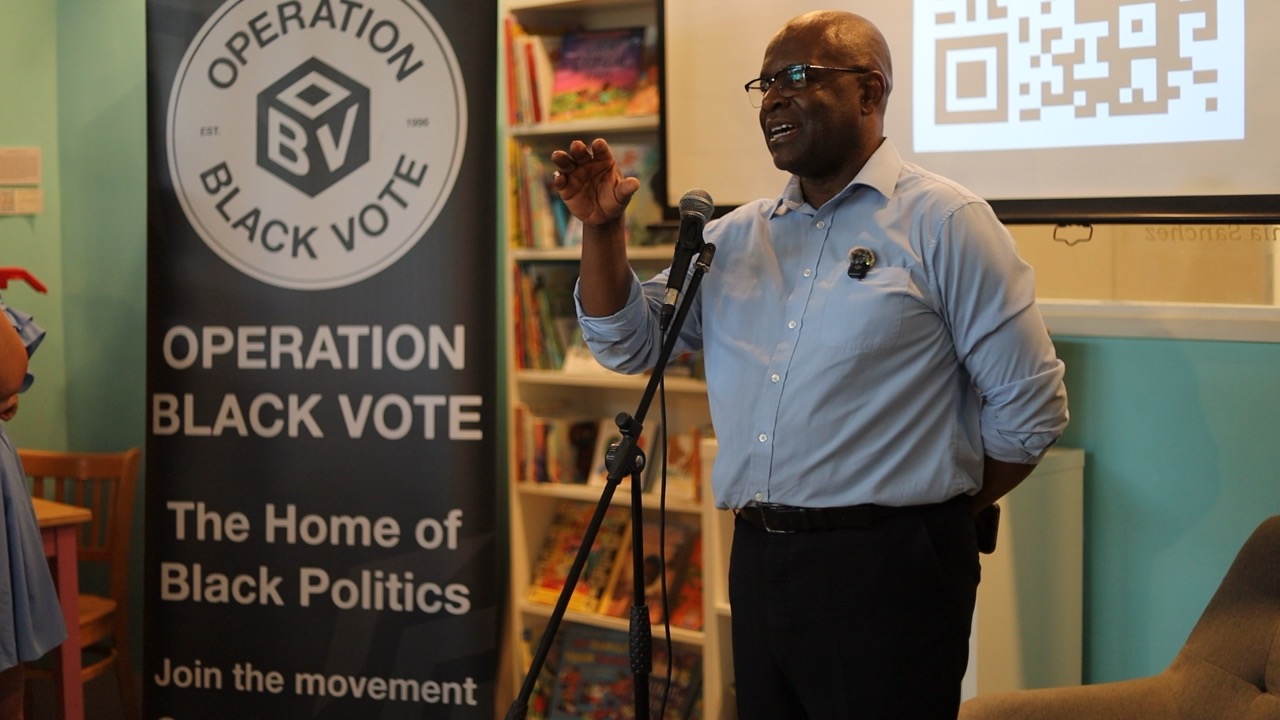
It tells parties and institutions that Black voters are not a decorative afterthought but a democratic force. It tells Britain that the people who built, served, defended and transformed this country must also help govern it.
Yet we must be honest. Representation is necessary, but it is not sufficient. Black faces in high places were an essential breakthrough, but the work of justice cannot end at the photograph, the appointment or the maiden speech. Representation without accountability is decoration and diversity without justice is a theatre. The next phase of OBV’s work must therefore deepen the original mission. The challenge now is not simply to secure Black faces in high places, but ethical faces in accountable places: leaders with integrity, courage, discipline, political education and a living relationship with the communities whose struggles made their rise possible.
We need leaders who do not treat equality as a slogan for conference season but as a governing principle. We need public institutions that do not confuse inclusion with transformation. Essentially, we need a democracy that doesn’t just look different but behaves differently.
This anniversary also arrives at a dangerous political moment. Across Britain and beyond, the far right is growing louder. Anti-migrant rhetoric is hardening. The politics of deportation, exclusion and so-called re-emigration are being dragged from the extremist fringe towards mainstream debate. Racist violence is again visible on our streets, whilst many of the gains made over the last half century in race equality, human rights and democratic inclusion are being questioned, diluted or reversed.
That is why OBV’s work is all the more urgent. A multiracial democracy cannot survive on good intentions and warm words. It requires organisation, strategy, political education, civic courage and accountability.
Our 30th anniversary year will therefore be a year of legacy and renewal. We will reflect on the founding story of OBV and the extraordinary work of those who built it. We will honour those we have lost, including Audrey Adams, OBV co-founder and Board member, whose life and work remain an enduring example of dignity, courage and the struggle for justice. We also recognise the immense contribution of the many staff, volunteers, Board members and partners whose commitment, often over many years and frequently behind the scenes, has made OBV's achievements possible.
Among them is our first Director, now Lord Simon Woolley, whose journey from volunteer to our first Director for over 25 years and ultimately to the House of Lords embodies the very principles that have always underpinned OBV: that leadership can be nurtured, barriers can be overcome, and that with opportunity, determination and support, all things are possible. His contribution stands alongside countless others whose dedication, belief and hard work have helped shape OBV into the organisation it is today.
.JPG)
The anniversary programme will bring generations together to reflect on that legacy and more importantly, to consider what comes next. Through landmark events, filmed reflections, roundtables, publications and thought leadership, we will explore the history of Black political engagement, the lessons of the civil rights movement, the state of representation, the challenge posed by the far right, and the future of a confident, inclusive and multiracial Britain.
We will not simply ask how far we have come. We will ask what remains undone, who remains unheard and what kind of democratic settlement Britain now needs.
Thirty years ago, OBV helped Black Britain find new democratic voice.
Thirty years later, our responsibility is to defend that voice, deepen it and pass it on. The next generation must inherit more than an organisation. They must inherit the discipline, courage and moral clarity that made the organisation necessary in the first place.
Operation Black Vote at 30 is not the end of a story. It is the opening of the next chapter. The work ahead is to make representation accountable, power ethical and democracy worthy of all the people it claims to serve.
David Weaver
Chair


.png)
